
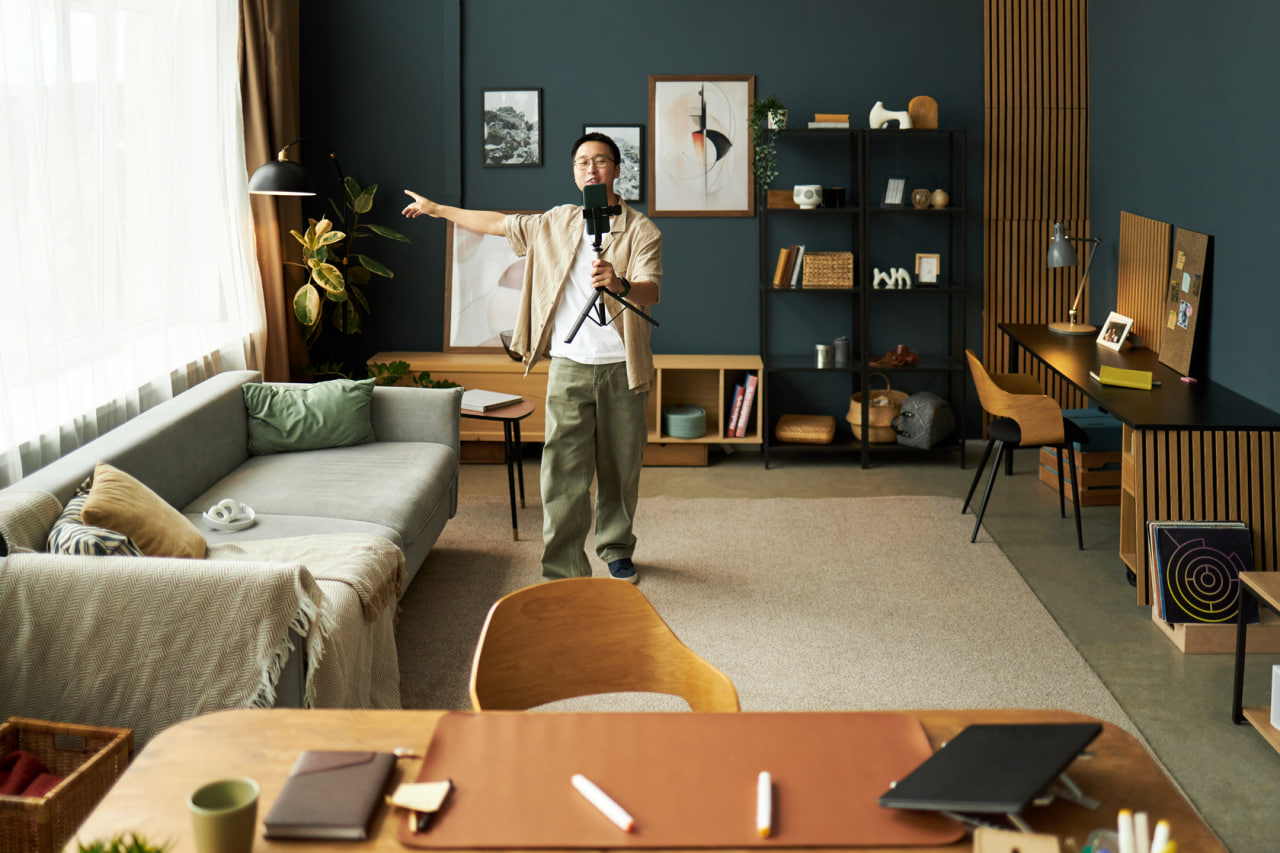
Colors, Lighting & Atmosphere
The aesthetic of a space can greatly affect your mood, vitality, and productivity. As two of the most impactful components of interior design, color and light influence both the appearance and ambiance of your home. Learning how to effectively harness their potential will help you design an interior that fosters tranquility, concentration, inspiration, and overall health.
The Effect of Color on Our Psyche
We should not forget that each color is also associated with an emotion and there are colors that are more indicated for each room. Red, orange, yellow, are warm colors, that can provide a lot of movement and energy, and should be used in areas such as the kitchen, dining room or office. Blue, green and lavender are cooler colors, associated with concentration, tranquility and relaxation, and are ideal for bedrooms, bathrooms or a reading corner. Beige, gray and white are neutral colors that bring a sense of balance and can be combined with any other color. Use the color on your wall in a conscious way to match the purpose of each environment.
Light is one of the most important external factors that influence our mood. Exposure to natural light has been proven to have a significant impact on both our physical and emotional well-being. Here are some ways in which natural light affects our mood: Improved mood: Natural light exposure releases neurotransmitters in the brain that help improve our mood. These neurotransmitters include serotonin, endorphins, and dopamine, which are associated with feelings of happiness and well-being. Reduced stress: Natural light helps reduce the production of stress hormones like cortisol, resulting in lower stress levels. This is especially true for people who spend most of their time indoors, as they tend to experience higher levels of stress due to lack of natural light. Better sleep: Exposure to natural light regulates our circadian rhythms, which helps us sleep better at night. Poor sleep is often linked to irritability, mood disturbances, and other health issues. Increased alertness: Natural light makes us feel more alert, awake, and focused during the day. This can enhance our productivity and overall quality of life. Regulation of emotions: Natural light has been shown to have an emotional regulating effect on humans. It helps us manage our emotions more effectively, leading to greater emotional stability. Brighter environments are often linked to improved emotional states. Lighter environments tend to improve our mood compared to darker environments. This is evident in the way we perceive and describe environments. For example, a dull and gloomy place is often referred to as gloomy, implying a negative atmosphere.
It’s not news that natural light has a significant impact on health and happiness. It regulates circadian rhythms, boosts energy and productivity, and even stimulates creativity. Rooms with plenty of natural light are also more spacious, cheerful, and welcoming. So make the most of the sun, whether by placing a mirror opposite a sunny window, using light colors that reflect natural light, or ensuring that windows aren’t obstructed by heavy treatments. Even if it’s just replacing a thick window treatment with sheer panels or simply pulling the shades open, making better use of natural light can help brighten up a space.
Supplemental Lighting Techniques
Though it’s hard to beat the light of the sun, artificial light is what really sets the tone and functionality of a space. With the use of ambient, task and accent lighting, it’s possible to set the desired tone for any given time of day or activity. Ambient lighting offers overall illumination, task lighting serves a specific purpose like reading or cooking, and accent lighting is used to draw attention to anything from a piece of art to the texture of a wall or architectural interest. From warm to cool, the use of light bulbs in varying color temperatures can even impact the energy of a space and ability to relax.
Finally, you could just play around with different lighting and color effects and mix them together.
The interplay between color and light is a key consideration. Lighting can intensify or diminish a color. A rich blue may seem comforting in a soft, late-afternoon light but chilling in midday sunlight. Light-colored walls may seem warm with incandescent lighting and cool with daylight bulbs. Consider how the colors you select will look under the light they receive. This consideration will help you achieve balance and will prevent your rooms from looking dramatically different at different times of day.
Seasonal Considerations
Furthermore, our perception of light and color varies depending on the season. In the winter, when there is less sunlight, it is more comforting to incorporate warmer colors and light into our environment. In the summer, when there is plenty of sunlight, it is easier to incorporate cooler colors to promote a calming and refreshing atmosphere. By acknowledging the different seasons and their effects on our bodies, we can create an environment that supports our comfort, mood, and level of energy throughout the year.
Ways to Utilize Color and Light
Select a color scheme that suits your personality and the room’s purpose.
Before painting, test colors in the room at various times of the day to see how they appear.
Install mirrors and other reflective surfaces to enhance the natural light in a room.
Use multiple light sources to change the mood and function of a space.
Add organic touches, like greenery, wood, or stone, to enhance your color and lighting choices.
If you don’t want to dive head-first into a bold color, try using it as an accent wall or adding a few small decor pieces.
Emotional Balance
Light and color are not only used for decoration, but also as a means of creating balance and tranquility. They can be used to minimize your stress levels, provide the energy boost you need to do your work, and even help you unwind. A color-and-light-adjusted home is an adaptable, efficient one, a setting that helps you work better, feel better and live better. You can determine the effects of light and color in every room of your home simply by observing how it affects you.